How Mice and Rodents Impact Commercial Buildings and Operations
Commercial property owners seeking to prevent damage, contamination, and operational disruptions often turn to local contractors specializing in mice and rodent control for effective solutions.
Understanding how mice and rodents impact commercial buildings and operations is essential for property owners looking to maintain a safe and efficient environment. These pests can cause significant disruptions, from contaminating food supplies and damaging property to spreading diseases that threaten employee health and customer safety. Exploring this topic helps owners recognize potential vulnerabilities and the importance of proactive management, especially in areas where food storage, manufacturing, or high foot traffic are involved. Local contractors specializing in commercial mice and rodent control offer tailored solutions to address these issues effectively, helping to protect the integrity of a business’s daily operations.
For property owners in the area, gaining insight into the effects of rodents on commercial spaces can inform smarter decisions about pest prevention and control strategies. Rodent activity not only poses health risks but can also lead to costly repairs and operational downtime if left unmanaged. By learning more about how these pests impact business environments, owners can better understand the value of professional services designed to keep rodents at bay. Local service providers are equipped to assist with targeted control measures, ensuring that commercial buildings remain secure and operationally sound without unnecessary disruptions.
- Commercial property inspections - when businesses notice signs of rodent activity, local contractors perform thorough evaluations to identify entry points and infestation sources.
- Rodent exclusion services - in cases where mice and rodents threaten building integrity, local service providers implement barriers to prevent re-entry and protect operations.
- Sanitation and cleanup - after rodent encounters, local pros assist with removing droppings and contaminated materials to minimize health risks for staff and customers.
- Ongoing pest monitoring - to prevent future infestations, local contractors set up surveillance systems that help businesses stay alert to rodent activity.
- Integrated pest management plans - when rodents impact operational efficiency, local service providers develop strategies that combine exclusion, sanitation, and monitoring to control populations.

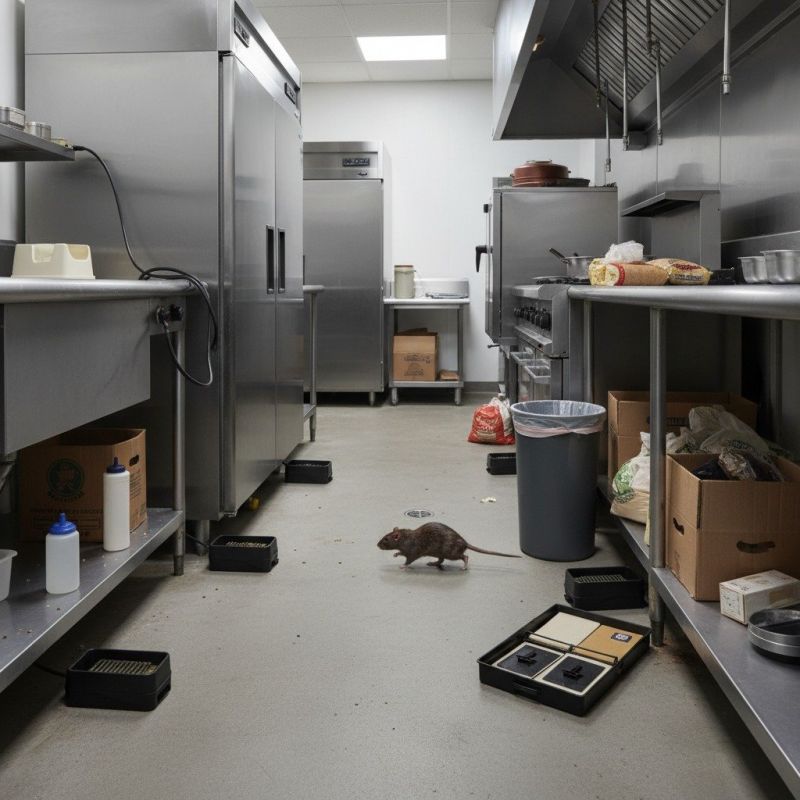
When people search for information about how mice and rodents impact commercial buildings and operations, they are often concerned about the potential damage and disruptions these pests can cause. Mice and rodents are known for their ability to invade structures, especially in areas where food, water, and shelter are accessible. This interest typically stems from worries about the safety and cleanliness of the property, the risk of contamination, and the potential for pests to cause structural damage. Business owners and property managers want to understand how these pests could affect their daily operations, reputation, and bottom line, prompting them to seek guidance on prevention and control measures.
The problems associated with mice and rodents in commercial settings extend beyond simple nuisance issues. They can compromise food safety in restaurants, grocery stores, and food processing facilities by contaminating products with droppings, urine, and hair. In warehouses and storage facilities, rodents may chew through packaging, leading to product loss and waste. Additionally, these pests can damage wiring, insulation, and building structures, increasing repair costs and creating safety hazards. Many property owners develop plans to prevent infestations or respond swiftly when signs of rodent activity emerge, often involving pest control professionals who specialize in commercial environments.
Certain types of properties are more vulnerable to rodent activity due to their design, location, or use. Commercial buildings such as restaurants, retail stores, office complexes, warehouses, and manufacturing plants frequently come up in discussions about how mice and rodents impact operations. These properties often provide ample access points, food sources, and nesting sites that attract pests. Older buildings, those with less effective sealing, or properties located near open land or waterways may face higher risks. Understanding the specific vulnerabilities of different property types helps owners and managers develop tailored strategies to mitigate rodent-related problems effectively.
For property owners and managers, understanding how mice and rodents impact commercial buildings and operations is essential for safeguarding their investments. Local service providers specializing in commercial rodent control can assist in identifying vulnerabilities, implementing integrated pest management plans, and maintaining a pest-free environment. These professionals play a key role in helping property owners develop proactive solutions, whether through exclusion techniques, baiting, or ongoing monitoring. Connecting with experienced local contractors ensures that the unique needs of each property are addressed, reducing the risk of damage, contamination, and operational disruptions caused by rodents.
Commercial pest management projects - Local contractors specializing in pest control often handle broader issues related to rodent infestations that can affect building operations and safety.
Building inspection and assessment services - Professionals conducting structural inspections can identify entry points and vulnerabilities that rodents exploit, critical for preventing infestations.
Warehouse and storage facility management - Experts in managing large storage areas focus on pest-proofing to protect inventory from rodent damage and contamination.
Sanitation and hygiene improvement projects - Service providers working on cleanliness and sanitation help reduce attractants that draw mice and rodents into commercial spaces.
Structural repair and sealing services - Contractors specializing in building maintenance often address vulnerabilities that allow rodents to enter and establish colonies.
Food processing and manufacturing facility services - Specialists in food safety work to eliminate pest risks, including rodent control, to maintain compliance and operational integrity.

When evaluating commercial mice and rodent control services, it is important to consider the experience of local contractors with similar projects. An experienced service provider will have a clear understanding of how mice and rodents impact commercial buildings and operations, including the common entry points, nesting habits, and potential damage caused by infestations. Asking about their background in handling properties comparable in size and type can help ensure they are familiar with the unique challenges faced in commercial settings and can develop effective, tailored solutions.
Clear written expectations are essential when choosing a service provider for rodent control. This includes understanding the scope of work, the methods that will be used, and the steps involved in addressing the infestation. Reputable local contractors should be able to provide detailed descriptions of their approach and what the client can expect throughout the process. Having this clarity helps in assessing whether their plan aligns with the specific needs of the building, minimizing surprises and ensuring that all parties are on the same page about the work to be performed.
Good communication and reputable references are key indicators of a reliable service provider. Local pros who maintain open lines of communication can address questions promptly and keep clients informed about progress and findings. Additionally, requesting references from previous commercial clients can offer insights into the contractor’s ability to manage rodent issues effectively and professionally. This information can help determine whether a contractor has a track record of successfully resolving similar challenges and maintaining positive working relationships with property owners and managers.
Property owners often search for how mice and rodents impact commercial buildings and operations when they are planning practical projects around their homes and businesses. Local pros provide Commercial Mice and Rodent Control services for everyday jobs and straightforward project options.
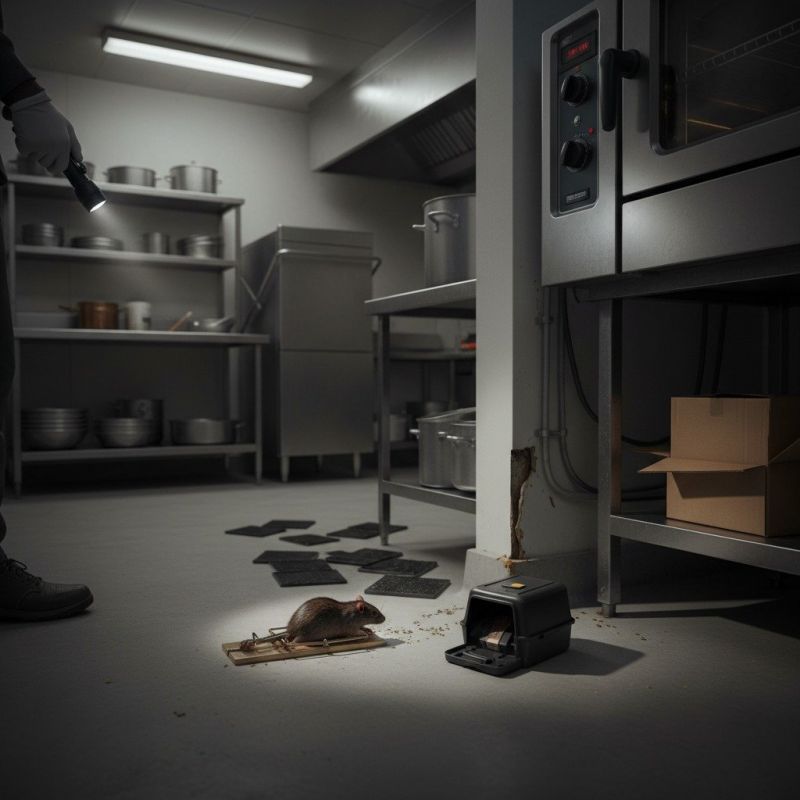
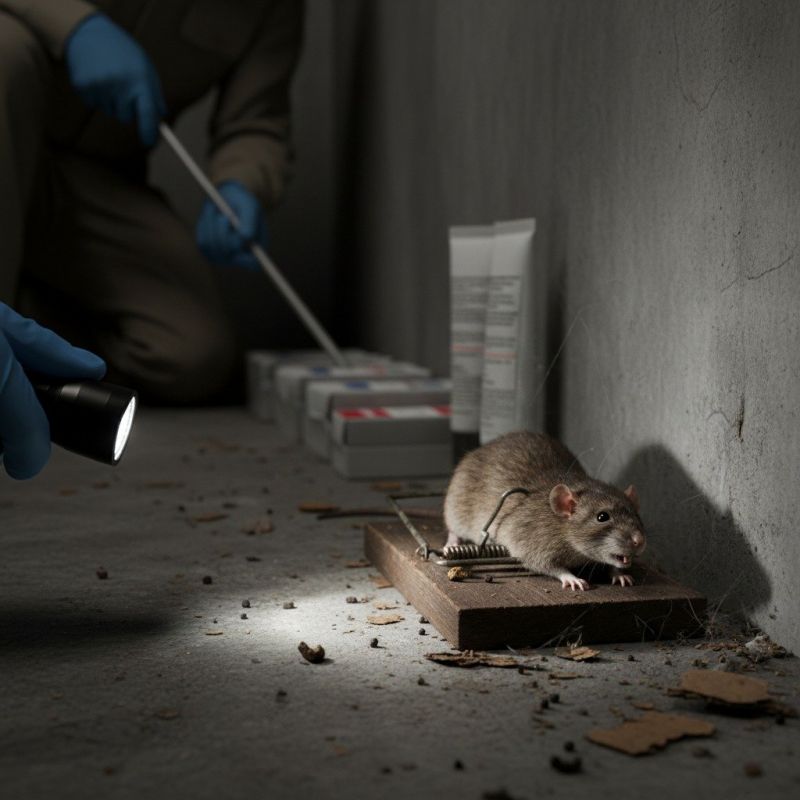
Mice and rodents can cause significant disruptions in commercial buildings, affecting daily operations and overall business efficiency. In busy environments like offices, warehouses, or retail spaces, these pests can contaminate food supplies, damage stored goods, and create unsanitary conditions that impact employee health and customer perceptions. Property owners often look up this topic to understand how these pests might threaten their assets and to explore effective control options that prevent infestations before they escalate into costly problems.
Engaging with experienced service providers can help address these concerns by implementing targeted rodent control strategies tailored to the specific needs of a commercial space. Local contractors can assess vulnerabilities, set up preventive measures, and handle ongoing pest management to keep rodents out of the building. Property owners seeking to protect their operations and maintain a safe, clean environment often consider commercial mice and rodent control services as a proactive step toward minimizing damage and ensuring smooth business continuity.
How do mice and rodents affect the safety of commercial buildings? Mice and rodents can compromise safety by gnawing on wiring, which increases the risk of electrical fires, and contaminating surfaces, leading to health hazards for employees and visitors.
In what ways can mice and rodents disrupt daily operations? Infestations can cause delays in production, damage inventory, and create unsanitary conditions that force closures or reduced business activity until the issue is addressed by local contractors.
What kind of damage can mice and rodents cause to commercial properties? They can damage insulation, structural components, and stored goods through gnawing and nesting, resulting in costly repairs and replacements handled by experienced service providers.
How do mice and rodents impact the health of employees and customers? They spread diseases through droppings, urine, and bites, which can lead to illnesses and health code violations that local pest control experts can help manage.
Why is it important to involve professionals for mice and rodent control in commercial settings? Professional service providers can effectively identify entry points, eliminate infestations, and implement prevention measures to minimize operational disruptions and health risks.
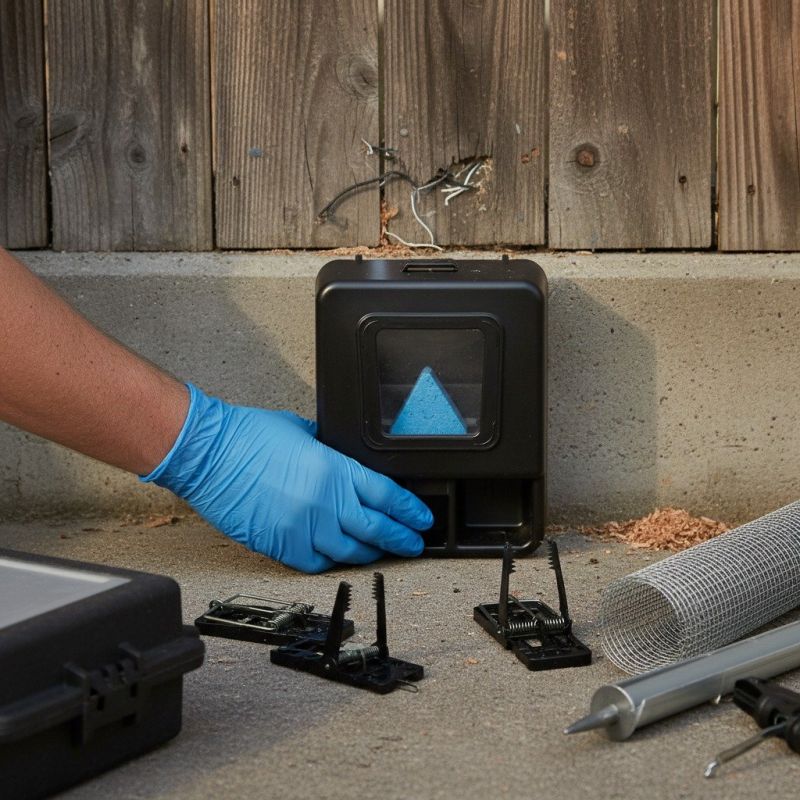
Identify entry points - property owners can work with local contractors to locate and seal gaps or holes that allow mice and rodents to enter buildings, reducing infestations.
Implement sanitation practices - maintaining cleanliness and removing food sources can help prevent rodents from establishing a presence, with local pros advising on effective methods.
Set strategic traps and bait stations - placing traps in key areas can control existing rodent populations, and local service providers can advise on proper placement and maintenance.
Establish ongoing monitoring - regular inspections by local contractors help detect signs of activity early, minimizing the impact of mice and rodents on operations.
If you are thinking about how mice and rodents impact commercial buildings and operations for a property, this guide is meant to help you understand this topic, the typical project types, and how different options might fit your plans.
When you are ready, you can use the quote form on this page to share a few details about your project. From there, local pros can review the basics and follow up with options that match what you have in mind.