Common Entry Points Rodents Use to Access Properties
To prevent rodent infestations, local contractors can identify and seal common entry points rodents use to access properties, helping ensure a pest-free home.
Understanding the common entry points rodents use to access properties is an important step for property owners looking to prevent infestations. These pests can squeeze through surprisingly small openings, often exploiting overlooked gaps around doors, windows, vents, and foundation cracks. Recognizing these vulnerabilities helps owners take practical measures to secure their homes or commercial spaces, reducing the risk of rodent problems before they become more serious. Local contractors specializing in rodent pest control are well-versed in identifying these entry points and can provide targeted solutions to block access and protect the property.
Exploring this topic is especially relevant for property owners in the area who want to maintain a clean, safe environment and avoid costly damage or health concerns associated with rodent activity. Addressing entry points early can make a significant difference in long-term pest management efforts. Service providers in the community offer expertise in sealing these common access points and implementing effective exclusion strategies, ensuring that properties remain secure against unwanted rodent visitors. Keep reading to learn more about how local professionals can help safeguard properties from rodent entry and infestation.
- Rodent entry point sealing - homeowners noticing rodent activity may need local contractors to identify and close gaps around doors, windows, and foundations.
- Attic and roof vent repairs - property owners experiencing rodent sightings in attics or roofs can rely on service providers to secure vents and prevent access.
- Garage and basement sealing - when rodents are found in garages or basements, local pros can help identify and block common entry routes like gaps or cracks.
- Exterior wall and siding repairs - those observing rodent signs on exterior walls might seek experts to repair holes and reinforce vulnerable areas.
- Utility line and pipe entry sealing - property owners with rodent issues near utility lines or pipes can have local contractors seal these potential entry points effectively.


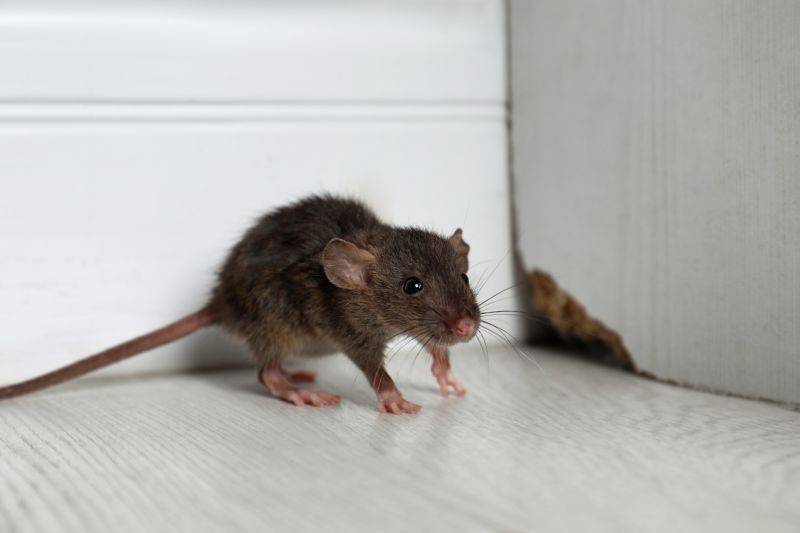
Understanding common entry points rodents use to access properties is essential for homeowners aiming to prevent infestations. When searching this topic, people typically want to know how rodents, such as mice and rats, are able to get inside their homes or buildings. Recognizing these entry points helps identify vulnerabilities in the property’s structure and provides a clear starting point for pest control efforts. Homeowners often plan to seal or block these access points as part of a comprehensive rodent prevention strategy, making it a critical step before or alongside professional pest control services.
The problems associated with rodents gaining entry into properties can range from minor nuisances to serious health and property damage concerns. Rodents can contaminate food supplies, chew through wiring and insulation, and cause structural damage. For those dealing with ongoing rodent activity, understanding entry points is a key component of a long-term solution. Local contractors who specialize in rodent pest control often focus on identifying and sealing these entry points to help reduce the likelihood of future invasions. Property owners may also incorporate these insights into ongoing maintenance plans to keep rodents out permanently.
Properties that commonly come up in discussions about entry points include residential homes, especially older houses with aging infrastructure, as well as commercial buildings, warehouses, and garages. Homes with gaps around doors, windows, vents, or utility lines are more vulnerable to rodent entry. Commercial properties with less frequent maintenance or structural issues may also be at higher risk. Recognizing which types of properties are most susceptible helps homeowners and property managers understand where to focus their efforts and when to seek assistance from local service providers who can perform detailed inspections and sealing work.
Local pros who handle rodent pest control are skilled at inspecting properties for these common entry points and recommending effective solutions. They look for small gaps around foundations, vents, pipes, and utility openings, as well as areas where building materials may have deteriorated. Once identified, these entry points can be sealed or blocked to prevent rodents from re-entering. Engaging experienced pest control providers ensures that all potential access points are thoroughly addressed, reducing the chances of recurring problems. For property owners, partnering with these specialists offers a practical step toward maintaining a rodent-free environment.
Home Inspection Projects - Home inspectors identify potential entry points rodents use to access properties, which is essential knowledge for pest control planning handled by local contractors.
Building Renovation Projects - Renovation projects often involve sealing gaps and openings, requiring skills similar to those used in rodent entry point prevention by local service providers.
Gutter and Roof Repairs - Repairing damaged gutters and rooflines helps prevent rodents from accessing attics and upper levels, a task performed by local contractors experienced in pest-proofing.
Foundation Sealing Projects - Sealing cracks and openings in foundations is crucial to block common entry points rodents use, with local pros specializing in property protection services.
Attic Ventilation Projects - Properly installing or repairing attic vents can prevent rodents from entering through ventilation openings, a service offered by local contractors familiar with pest exclusion.
Exterior Siding Replacement - Replacing or repairing siding removes potential entry points and is often coordinated with pest prevention efforts by local service providers.
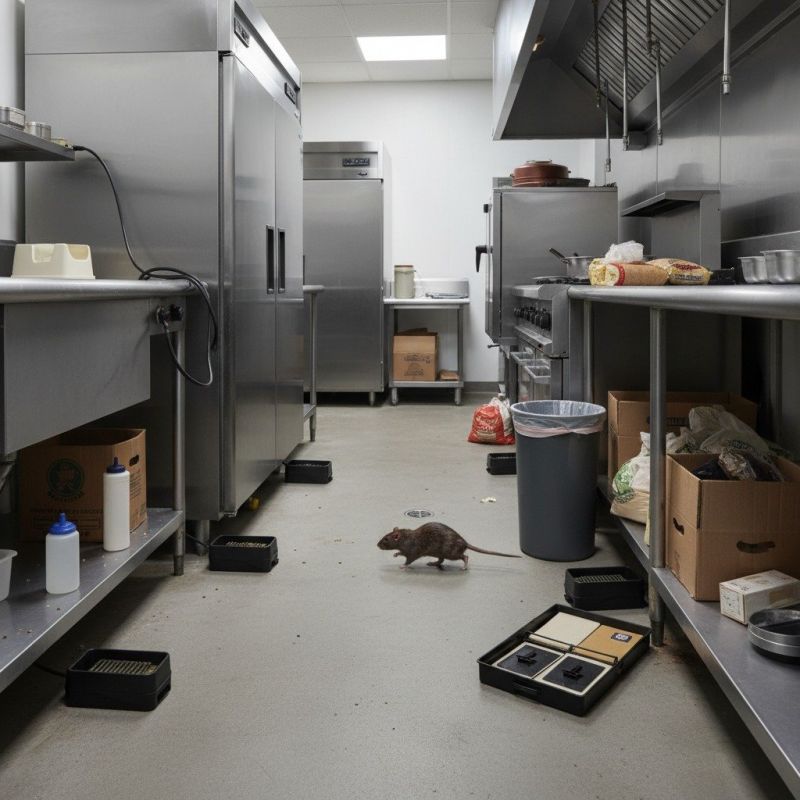
When comparing service providers for rodent pest control, it is important to consider their experience with similar projects. Homeowners should look for local contractors who have a proven track record of successfully addressing entry points rodents commonly use to access properties. An experienced professional will be familiar with the specific types of entry points, such as gaps around doors, vents, or utility lines, and will know how to effectively seal or block these access points to prevent future infestations. Checking whether a contractor has handled projects in similar settings-whether residential or commercial-can provide confidence in their ability to manage the unique challenges that come with rodent control.
Clear written expectations are essential when evaluating potential service providers. Homeowners should seek detailed descriptions of the scope of work, including inspection procedures, methods used to identify entry points, and the steps taken to seal them. Having this information in writing helps ensure that both parties share a common understanding of what the project entails and can prevent misunderstandings later on. Service providers who communicate their process transparently demonstrate professionalism and make it easier for homeowners to assess whether their approach aligns with their needs.
Reputable references and good communication are also key factors in choosing a contractor for rodent entry point services. Homeowners can ask for references or reviews from previous clients who had similar issues, which can offer insights into the provider’s reliability and effectiveness. Additionally, a service provider’s responsiveness, willingness to answer questions, and clarity in explaining options contribute to a positive working relationship. Effective communication ensures that homeowners are well-informed about the work being done and can feel confident in the contractor’s ability to address the specific entry points rodents use to access the property.
Property owners often search for common entry points rodents use to access properties when they are planning practical projects around their homes and businesses. Local pros provide Rodent Pest Control services for everyday jobs and straightforward project options.
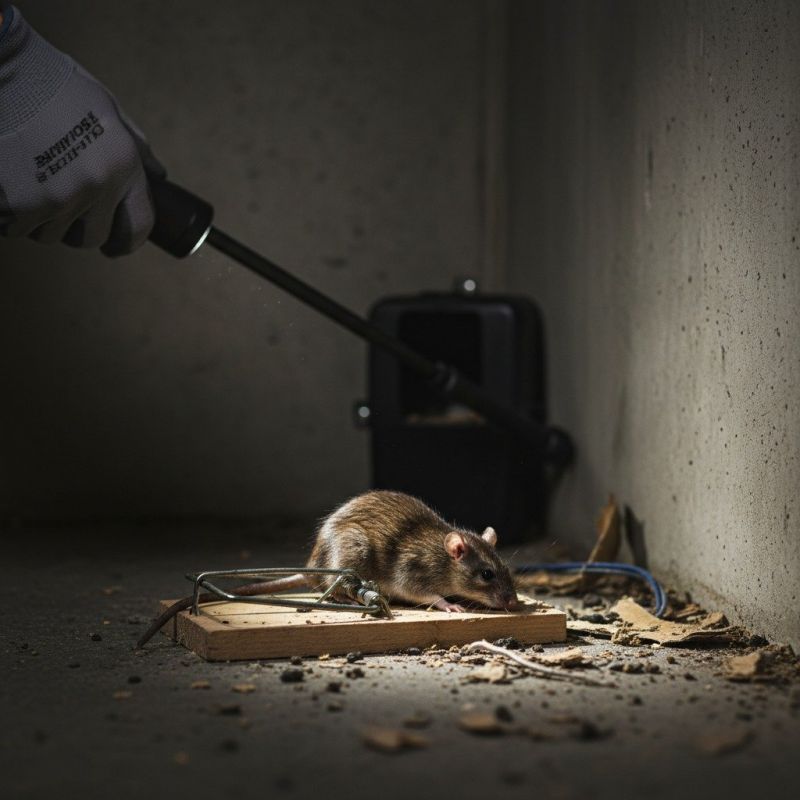
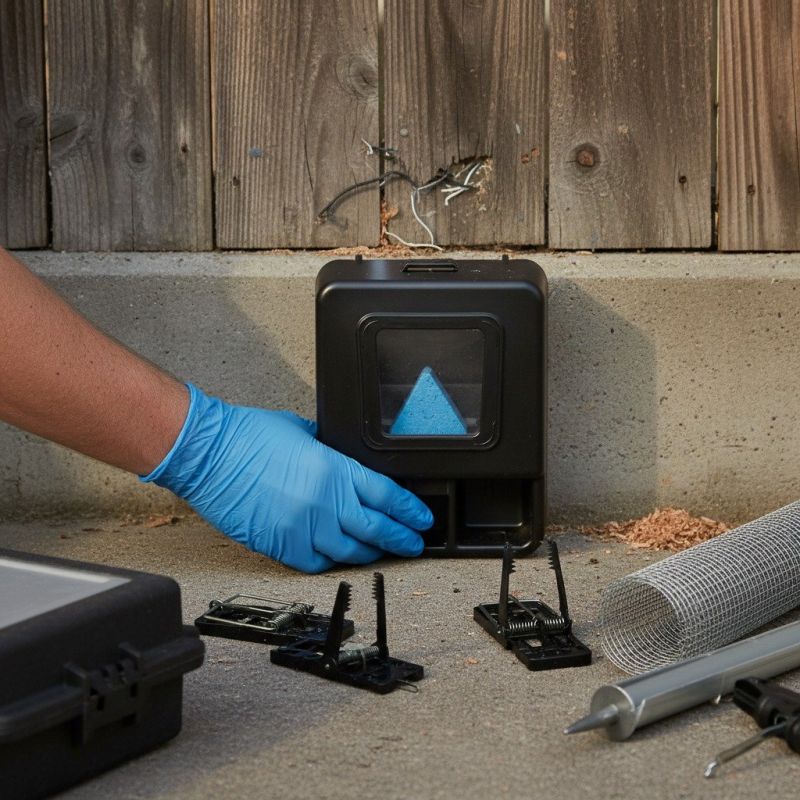
Understanding the common entry points rodents use to access properties can help property owners identify potential vulnerabilities before an infestation occurs. Small gaps around doors, windows, and foundation vents are frequently exploited by rodents seeking shelter and food sources. Additionally, openings around utility lines, pipes, and vents often serve as easy access points. Homeowners in the area might look into rodent pest control services to assess these entry points and implement effective exclusion measures, preventing rodents from establishing a foothold inside.
In many cases, rodents can squeeze through surprisingly small openings, making it essential to inspect less obvious areas such as gaps beneath siding, damaged roof vents, or holes in the attic and crawl spaces. Local contractors experienced in rodent control can help identify these entry points and recommend sealing solutions to block access. Taking proactive steps with the help of nearby service providers can reduce the risk of ongoing rodent issues and protect the property from future invasions.
What are common entry points rodents use to access properties? Rodents often enter buildings through small openings around doors, windows, vents, and utility lines, as well as gaps in the foundation or walls. Local contractors can identify and seal these entry points to prevent infestations.
How do rodents typically get inside attics or basements? Rodents can access attics or basements by climbing trees or utility poles to reach roof vents or soffits, and then finding small gaps or damaged areas to gain entry. Pest control professionals can locate and block these access routes.
Are there specific areas around a property where rodents tend to enter? Common entry areas include gaps around door frames, damaged siding, broken or unsealed windows, and openings around pipes or utility lines. Local service providers can inspect these spots and recommend sealing solutions.
Can rodents enter through existing holes or damage in a property’s structure? Yes, rodents can exploit existing holes, cracks, or damage in walls, foundation, or roofing to gain access. Experienced contractors can assess structural vulnerabilities and perform necessary repairs.
What role do vents and utility openings play in rodent entry? Vents, chimney openings, and utility penetrations are common entry points if not properly sealed. Local pros can install protective barriers or seal these openings to block rodent access.
Inspect building foundations and walls - identifying and sealing cracks or gaps can prevent rodents from entering through small openings.
Check utility entry points - securing gaps around pipes, wires, and vents helps block common access points used by rodents.
Seal gaps around doors and windows - installing weather stripping and door sweeps can reduce entry opportunities at these points.
Evaluate roof and attic vents - ensuring vents are properly covered and sealed can stop rodents from gaining access through the roof.
If you are thinking about common entry points rodents use to access properties for a property, this guide is meant to help you understand this topic, the typical project types, and how different options might fit your plans.
When you are ready, you can use the quote form on this page to share a few details about your project. From there, local pros can review the basics and follow up with options that match what you have in mind.