Health Risks Associated With Mice and Rats in Buildings
Local contractors specializing in mice and rat pest control can help reduce health risks associated with mice and rats in buildings by safely removing pests and preventing contamination.
If a building is infested with mice or rats, it’s more than just a nuisance-there are significant health risks associated with mice and rats in buildings. These rodents can carry and transmit diseases that pose serious concerns for residents, workers, and visitors alike. Understanding these potential health hazards highlights the importance of prompt and effective pest control solutions. Property owners in the area may find it practical to explore professional services that specialize in rodent removal, as properly addressing an infestation can help protect the health of everyone on the property.
Local contractors who focus on mice and rat pest control are equipped to handle these concerns safely and efficiently. They can identify signs of infestation early, implement targeted removal strategies, and help prevent future problems. Exploring these services can be a proactive step toward maintaining a healthier, safer environment within the building. Keep reading to learn more about the health risks associated with mice and rats in buildings and how local experts can assist in managing this common issue.
- **Mice and Rat Pest Control** - Local service providers are often called upon when signs of rodent activity are discovered, helping to eliminate the health risks associated with mice and rats in buildings.
- **Mice and Rat Pest Control** - When there are concerns about contamination from rodent droppings or urine, local contractors use targeted methods to remove pests and reduce health hazards.
- **Mice and Rat Pest Control** - In cases of rodent infestations, local pros assess entry points and implement exclusion techniques to prevent further health risks linked to mice and rats in structures.
- **Mice and Rat Pest Control** - If there is evidence of nesting or gnaw marks, service providers can perform comprehensive treatments to address health risks associated with mice and rats in buildings.
- **Mice and Rat Pest Control** - When rodent populations threaten indoor environments, local experts can provide safe removal strategies to minimize exposure to disease-causing organisms.
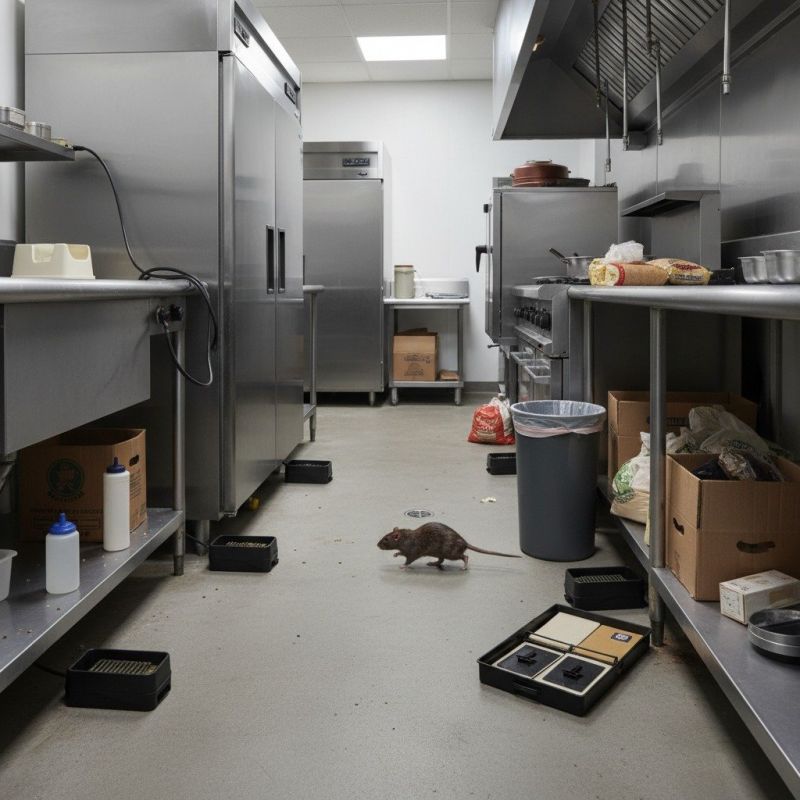
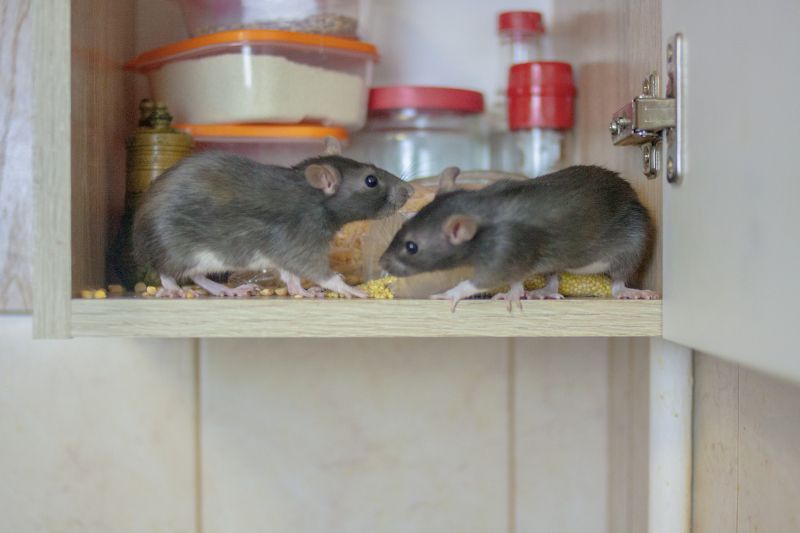
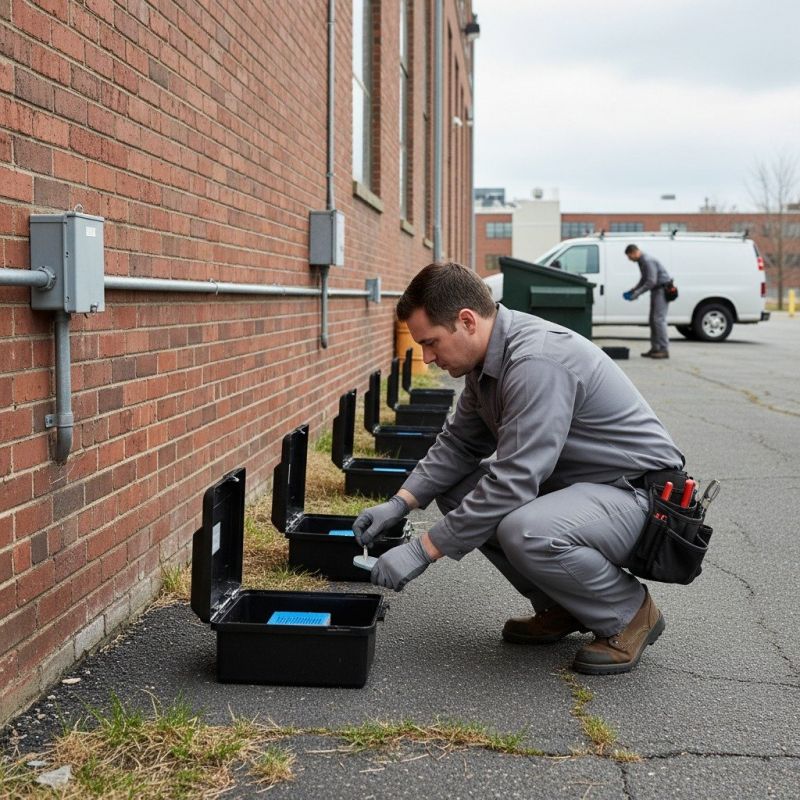
When people search for information about health risks associated with mice and rats in buildings, they are often concerned about the potential dangers these rodents pose to their health and safety. This interest may stem from noticing signs of rodent activity, such as droppings, gnaw marks, or strange noises, or after experiencing an infestation firsthand. Homeowners typically want to understand how these pests could impact their household, especially regarding diseases that can be transmitted through rodent droppings, urine, or bites. Recognizing these risks helps them prioritize pest control efforts to protect their families and prevent health issues caused by rodent-borne illnesses.
The problems related to mice and rats in buildings extend beyond simple nuisance concerns. These rodents are known carriers of various pathogens that can cause serious health conditions, including hantavirus, leptospirosis, salmonellosis, and rat-bite fever. Their presence can also trigger allergic reactions or asthma symptoms, particularly in sensitive individuals. Many property owners develop plans to address infestations proactively, aiming to eliminate rodents and prevent the spread of disease. Proper pest control strategies often involve inspections, sealing entry points, and ongoing monitoring to ensure the safety and hygiene of the building environment.
Properties most commonly affected by mice and rats include residential homes, apartment complexes, commercial buildings, and warehouses. These structures often provide ample shelter, food sources, and nesting sites for rodents, especially in areas with accessible gaps, cracks, or poorly maintained infrastructure. Food storage areas, utility rooms, basements, and attics are particularly vulnerable spots. For property owners, understanding the types of properties at risk helps in planning effective pest control measures. Local service providers specializing in rodent control can assess the specific needs of each property and implement targeted solutions to reduce health risks associated with mice and rats.
Connecting with experienced local contractors is essential for addressing health risks associated with mice and rats in buildings effectively. These professionals can conduct thorough inspections to identify signs of rodent activity and potential entry points. They employ proven techniques to remove infestations and implement exclusion methods that prevent future problems. By working with local pest control providers, homeowners and property managers can ensure that their buildings remain safe and hygienic, reducing the likelihood of rodent-borne diseases. Proper pest management not only addresses current infestations but also helps protect occupants from long-term health risks linked to these common pests.
Rodent-proofing projects involve sealing entry points and securing buildings, which helps prevent mice and rats that pose health risks associated with mice and rats in buildings from entering and contaminating indoor spaces.
Pest exclusion services focus on creating barriers that keep rodents out, reducing the potential for disease transmission and health risks associated with mice and rats in buildings.
Sanitation and cleanup projects address removing rodent droppings and nesting materials, minimizing exposure to pathogens linked to health risks associated with mice and rats in buildings.
Building inspection services identify vulnerabilities and signs of rodent activity, helping to mitigate health risks associated with mice and rats in buildings through early detection.
Structural repair projects reinforce building integrity by fixing holes and cracks, preventing rodent entry and reducing health risks associated with mice and rats in buildings.
Wildlife exclusion services target the removal of rodents and their habitats, helping to lower health risks associated with mice and rats in buildings by eliminating infestation sources.
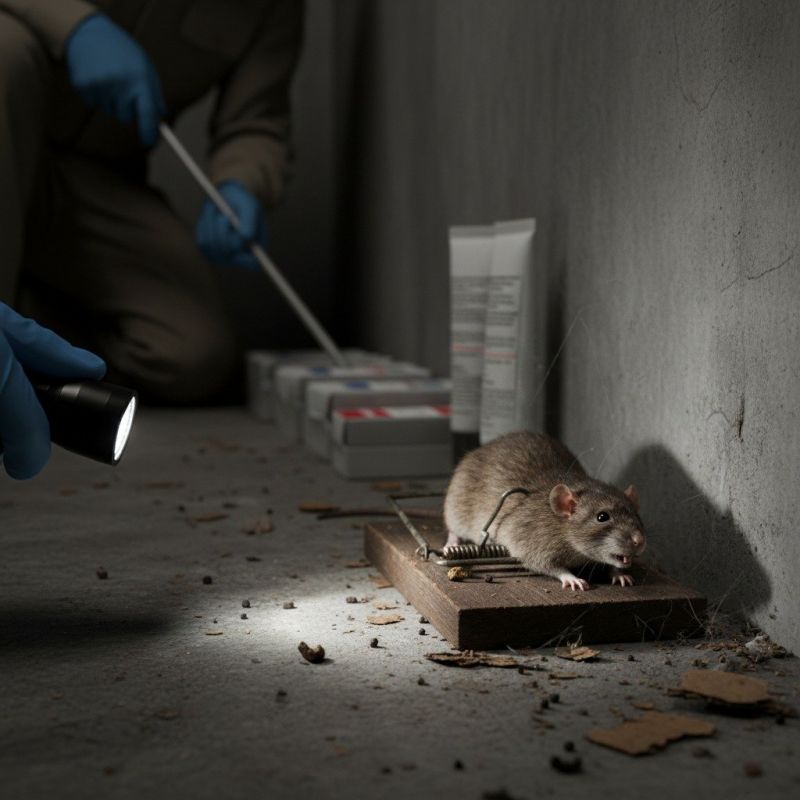
When comparing service providers for mice and rat pest control, it is important to consider their experience with similar projects. Homeowners should inquire about how long a contractor has been handling pest issues related to mice and rats in buildings, as well as their familiarity with the specific health risks associated with these pests. An experienced local contractor will likely have a better understanding of effective methods to reduce health hazards and prevent future infestations, ensuring that the work addresses both the immediate problem and the potential health implications.
Clear communication of expectations is essential when selecting a pest control service. Homeowners should seek providers who can explain their approach in straightforward terms, including what the treatment process entails, what safety precautions will be taken, and how the work will impact the health risks associated with mice and rats in buildings. Transparent communication helps set realistic expectations and ensures that homeowners understand the scope of the service, which is particularly important when dealing with pests that pose health concerns.
Reputable references and a history of good communication are key indicators of a trustworthy service provider. Homeowners are encouraged to ask for references or reviews from previous clients who had similar pest issues, especially those related to health risks. Reliable local contractors will typically be able to provide contact information or testimonials that attest to their professionalism and effectiveness. Good communication throughout the process, from initial contact to follow-up, helps ensure that homeowners are kept informed and comfortable with the steps taken to mitigate health risks associated with mice and rats in buildings.
Property owners often search for health risks associated with mice and rats in buildings when they are planning practical projects around their homes and businesses. Local pros provide Mice and Rat Pest Control services for everyday jobs and straightforward project options.
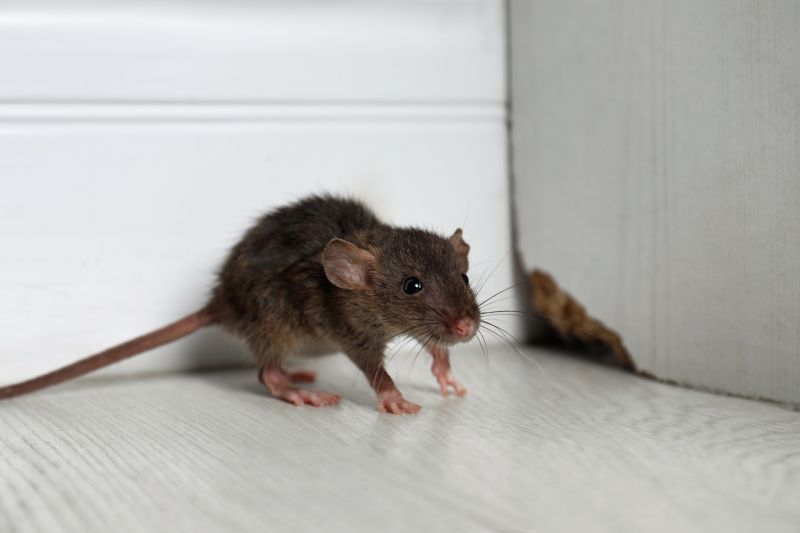
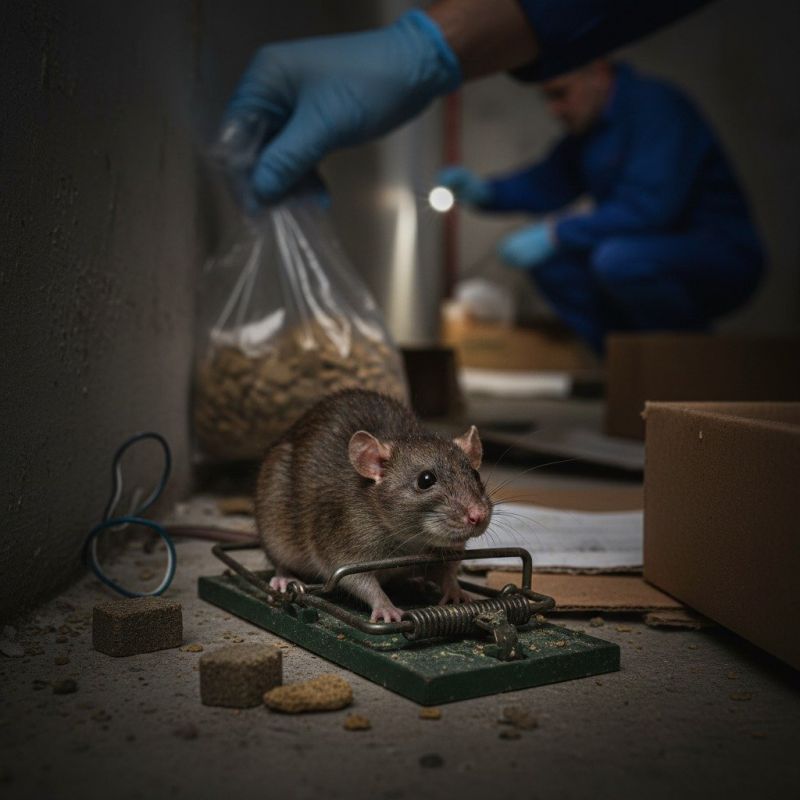
Mice and rats in buildings can pose significant health risks that property owners should be aware of, especially when dealing with everyday project situations like home repairs or renovations. These rodents are known to carry and transmit various diseases through their droppings, urine, and bites, potentially contaminating food supplies and surfaces. The presence of mice and rats can also lead to allergic reactions or exacerbate existing respiratory issues, making pest control a practical step in maintaining a healthier indoor environment.
For property owners noticing signs of rodent activity, enlisting the help of local contractors experienced in mice and rat pest control can be an effective way to address these health concerns. Professional service providers can identify entry points, remove infestations, and implement preventative measures to reduce the risk of health problems caused by rodents. Connecting with local experts ensures that the problem is handled safely and thoroughly, helping to protect the well-being of everyone in the building.
What health risks are associated with mice and rats in buildings? Mice and rats can carry diseases such as hantavirus, salmonella, and leptospira, which can pose serious health risks to occupants. Contacting local contractors for pest control can help reduce these risks by removing these pests safely.
How can mice and rats affect indoor air quality? Mice and rats produce droppings, urine, and nesting materials that can degrade indoor air quality and trigger allergies or respiratory issues. Professional pest control services can eliminate sources of contamination in buildings.
Are there risks of bites or scratches from mice and rats? Yes, mice and rats may bite or scratch if they feel threatened, potentially transmitting infections. Local service providers can implement effective removal methods to minimize interactions and health hazards.
Can mice and rats cause structural damage that leads to health concerns? They can damage insulation, wiring, and walls, creating entry points for bacteria and mold. Pest control experts can identify and seal entry points to prevent further health-related issues.
Why is professional pest control important for health safety? Professional services ensure thorough removal of mice and rats, reducing exposure to disease-causing pathogens and preventing health risks associated with infestations in buildings.
Health risk awareness - Property owners can learn about common health risks associated with mice and rats in buildings to recognize signs of infestation early.
Preventive measures - Implementing sealing and sanitation strategies with help from local contractors can reduce entry points and minimize health hazards.
Proper cleanup procedures - Utilizing professional pest control services ensures safe removal of rodents and contaminated materials to protect household health.
Ongoing monitoring - Regular inspections by local pros can identify new risks and help maintain a healthy environment free of rodent-related health issues.
If you are thinking about health risks associated with mice and rats in buildings for a property, this guide is meant to help you understand this topic, the typical project types, and how different options might fit your plans.
When you are ready, you can use the quote form on this page to share a few details about your project. From there, local pros can review the basics and follow up with options that match what you have in mind.